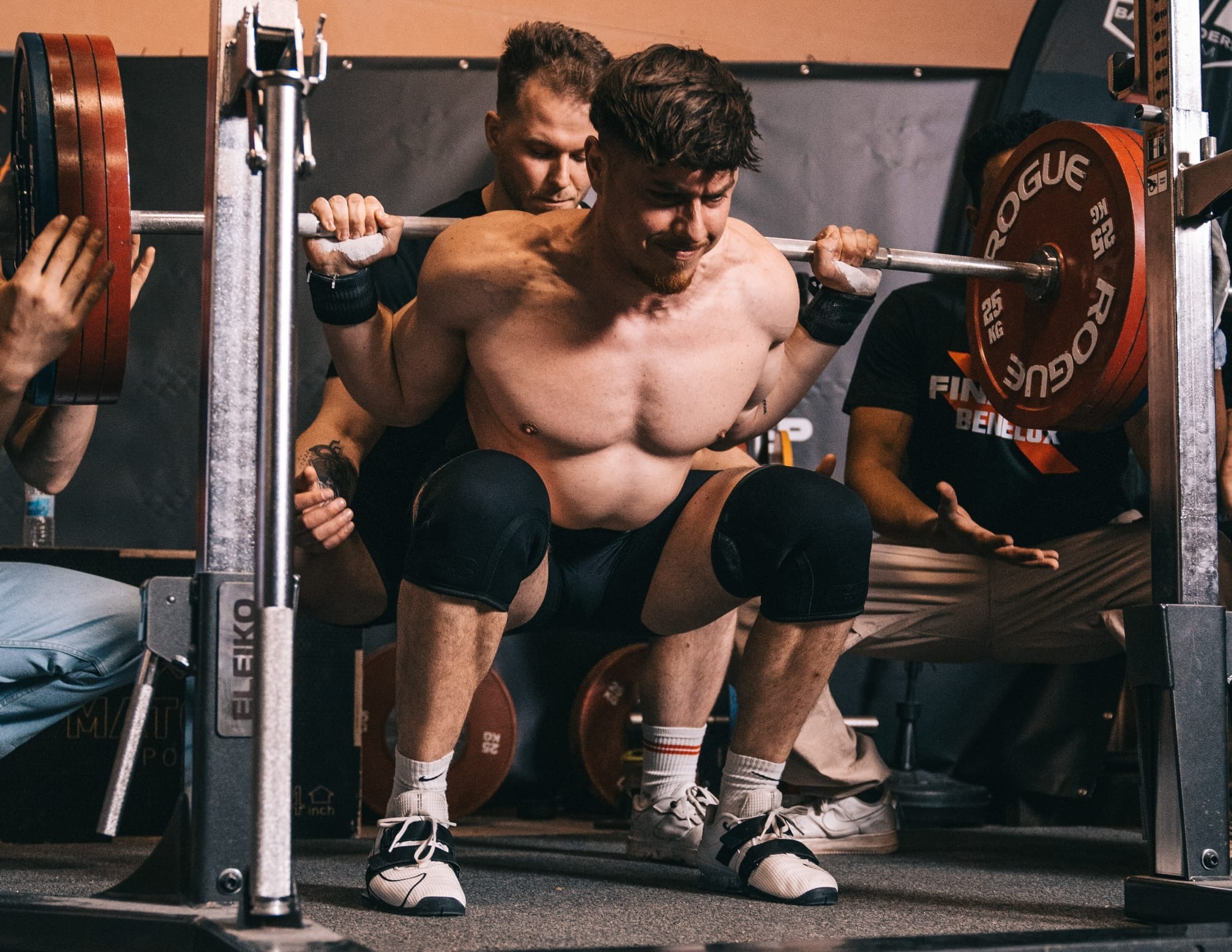
Streetlifting is the fusion of calisthenics and strength training, where athletes add extra weight to bodyweight exercises to push their strength limits. This sport challenges not only raw power but also endurance and control, combining the artistry of calisthenics with the intensity of weightlifting.
Whether you’re aiming to increase your strength, compete, or just push your physical boundaries, streetlifting offers an exciting and unique way to train. From pull-ups and dips to muscle-ups and squats, streetlifting exercises are designed to challenge you in new ways, improving both your physical and mental toughness.
In this ultimate guide, we will explore what streetlifting is, its key exercises, the equipment you need, and how you can take part in competitions. If you’re ready to take your training to the next level, keep reading!
Navigate
What is Streetlifting?
Streetlifting is a strength sport that combines elements of street workout (weighted calisthenics) and powerlifting. The goal is simple: to add as much weight as possible to bodyweight exercises.
Origin and Evolution
Originally, streetlifting focused solely on the pull-up and dip. However, today’s competitions have expanded to include exercises like the muscle-up and back squat, making the sport more diverse and testing a wider range of strength abilities.
Differences in Terminology
While streetlifting, street workout, and weighted calisthenics are often used interchangeably, they each refer to slightly different aspects of fitness:
Streetlifting is specifically a competition format where athletes perform 2 to 4 streetlifting exercises, aiming to either perform maximum reps with a set weight or lift the heaviest weight in a single rep.
Street Workout refers to outdoor training using bodyweight exercises, often in parks or urban settings, and focuses on general calisthenics without added weight.
Weighted Calisthenics involves enhancing bodyweight exercises with added resistance (such as weights or resistance bands), extending beyond just streetlifting to include exercises like the handstand push-up and isometric moves such as the front lever, back lever, and planche.

Disciplines within Streetlifting
Streetlifting competitions generally feature two main formats: the most popular 1 Rep Max (1RM) and the lesser popular Multi-lift.
Streetlifting 1 Rep Max (1RM)
The 1RM competition focuses on testing a competitor’s maximum strength in a single repetition of a given exercise. Athletes are given three attempts to complete a clean rep, with the goal of showcasing their peak strength.
There are two main styles of the 1RM competition: Classic Style and European Style (also called All4).
Classic Style: Athletes focus on the two fundamental exercises , the pull-up/chin-up and the dip. The goal is to perform one clean repetition with the heaviest weight possible.
European Style (All4): In addition to the pull-up/chin-up and dip, this format includes the back squat and muscle-up. Men perform a bar muscle-up, while women perform a ring muscle-up.
The 1RM competitions showcase the raw power of streetlifters, testing their ability to lift the heaviest possible loads in one controlled movement. This format offers a chance to set personal records and demonstrates an athlete’s capacity for maximum strength across multiple exercises.
Streetlifting Multi-lift
In a multi-lift competition, participants aim to complete as many repetitions as possible with a predetermined weight. The challenge lies in balancing both strength and endurance, as the goal is not just to lift a heavy load but to maintain high repetitions over time.
Standard Weights: For pull-ups/chin-ups, the standard weight is 32kg, and for dips, it is 48kg. However, these weights may vary based on the competition’s specific rules, age categories, and gender divisions.
Strategy: Competitors must pace themselves strategically to maximize their repetitions within a set timeframe. Multi-lift competitions test both physical endurance and mental resilience, adding an intensity factor to the event.
Streetlifting Exercises
Key streetlifting exercises include weighted pull-ups, dips, muscle-ups, and squats. These movements test both power and control, and they are commonly featured in streetlifting competitions. Each exercise plays a crucial role in developing overall strength, as they focus on upper and lower body, as well as pull and push movements.
In summary, the four main streetlifting exercises are:
Weighted Pull-Ups: A fundamental upper-body exercise that challenges pulling strength.
Weighted Dips: A crucial pushing movement for building upper-body power.
Muscle-Ups: A combination of a pull-up and dip that tests full-body strength and technique.
Weighted Squats: A key lower-body exercise to develop strength and stability under heavy load.
For a more detailed explanation of these exercises and how they’re performed in streetlifting competitions, check out my dedicated blog post on streetlifting exercises, where I dive deeper into proper form, techniques, and competition guidelines.
Streetlifting equipment
Streetlifting equipment is divided into 2 categories: gym equipment, and you personal equipment.
Streetlifting equipment brands
There’s only a handfull of streetlifting equipment focussed brands. The most well known are MPDS (short for Muscle-up, Pull-up, Dip, Squat) and King Of Weighted. However, more brands are popping up as the sport is growing bigger.
Gym equipment
To perform your streetlifting training effectively, having the right gym equipment is crucial. A high pull-up bar is essential for performing weighted muscle-ups and pull-ups, which are key exercises in streetlifting. Additionally, a sturdy dip bar is necessary, and it’s best if it allows you to adjust the width, as this plays a significant role in your form and performance during weighted dips. Another important piece of equipment is a stable power rack or squat rack, which provides the necessary support for lower body exercises like squats. For women, having a high set of rings is also important, especially for performing weighted ring muscle-ups.
During competitions, the SupremeForce set-up is often used, which includes all the necessary equipment to perform all four key exercises in streetlifting: pull-ups, dips, muscle-ups, and squats.
Personal streetlifting equipment
Having the right equipment for your streetlifting training and competitions is crucial for safety, performance, and progress. It helps you train effectively, perform exercises with proper form, and prevent injuries. Below, you’ll find the best products to buy.
Difference Between Training and Competition Equipment
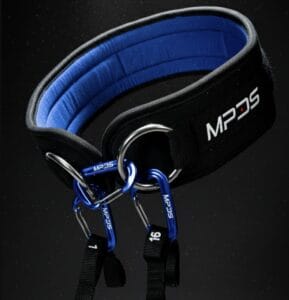
Choosing the Right Dip Belt for You
There are different types of dip belts, and the best choice depends on your personal preferences and training goals. Be aware that you should buy a competitions valid dip belt from KOW, Strength or MPDS.Wrist Wraps Wrist wraps are important for supporting your wrists during heavy dips and helping to distribute the load more evenly across your joints.
Knee and elbow sleeves help provide stability and protection during squats and dips, which are highly taxing on the joints. There are various options available depending on the level of support you need. Also there’s a difference between training sleeves and competition sleeves.
Lifting Belt
A lifting belt helps stabilize your core and increase strength during heavy squats or other weightlifting exercises, making it a crucial piece of equipment.Liquid Chalk for Better Grip
Liquid chalk enhances grip and reduces sweat, which is essential for exercises like pull-ups and muscle-ups, where a strong grip is required.
Streetlifting program
When starting a streetlifting program, it’s important to decide whether you’re training for fun or planning to compete. Training for competition requires detailed planning with macro, meso, and micro cycles, including tapering to peak at the right time. If you’re new to this, it’s a good idea to find a coach who can guide you through the process. For recreational training, while you don’t need as strict a structure, long-term planning and periodization are still essential. You can use different styles like linear, undulating, or block periodization, but it’s key to find a structure that fits your lifestyle.
If you’re just getting started, focusing on hypertrophy and volume is important to build muscle mass, as more bodyweight will help you lift heavier weights. As you progress, transition to strength training with lower rep ranges, and prioritize training each of the four main streetlifting exercises (pull-ups, dips, muscle-ups, and squats) at least twice a week.
For a well-rounded streetlifting program, I recommend the one by King of Weighted, designed specifically for streetlifting.
Streetlifting competitions
This section will focus solely on the All4 competition format, which is currently the most professional and standardized competition style in streetlifting. Since Final-Rep is the largest governing organization in the sport today, we’ll look at how they organize and oversee All4 competitions, including their qualifiers and championship events.
Final-Rep: The Governing Organization
Final-Rep is a global governing body for streetlifting competitions and sets the official rules and standards for All4 competitions. They ensure fairness and consistency by regulating the format, which includes four key exercises: pull-ups, dips, muscle-ups, and squats. For a full overview of the rules, check out the Final-Rep Rulebook.
Final-Rep plays a key role in organizing both qualifiers and regional events, allowing athletes to qualify for major competitions such as the European and World Championships. These events offer streetlifters the chance to compete at a global level and prove their strength and endurance.
Upcoming streetlifting events
For a complete list of upcoming competitions, qualifiers, and championships, visit the Final-Rep Event Calendar. The calendar provides detailed information on event dates, locations, and registration details, making it easy to find and sign up for upcoming competitions.
Qualifiers and Championships
To compete in the European or World Championships, athletes must first succeed in the official qualifiers organized by Final-Rep. These competitions are held globally and provide a clear path to the top. The top performers in each qualifier earn their spot in the prestigious championships, where they will compete against the best streetlifters worldwide.
Competing in these events is a major milestone for any streetlifter, providing a chance to test their limits and gain exposure on a global stage.
Organising an event
If you’re interested in collaborating with Final-Rep on an event, you can get in touch through their Collaboration Page. Based on my personal experience, I can confidently say that they provide excellent support throughout the process. I had the privilege of helping organize the Dutch Streetlifting National 2025. (By the way, my partner at Heavyweight Calisthenics, @KennyKathmann, secured second place in the -94kg category!) From firsthand experience, I highly recommend working with Final-Rep. Their app and the support from their representatives are top-notch, making event management smooth and professional.
Further Streetlifting Resources
If you’re looking to dive deeper into the world of streetlifting and connect with the community, there are several excellent resources available:
Reddit – r/StreetliftingAthletes: This is a fantastic place to connect with other streetlifting enthusiasts, share your progress, ask questions, and get tips from experienced lifters. Join the community on r/StreetliftingAthletes.
YouTube – StrengthGene: For in-depth content about streetlifting, training techniques, and tips, check out the StrengthGene YouTube channel. He regularly uploads videos focused on the streetlifting community and improving performance in streetlifting. Visit his channel on YouTube – StrengthGene.
AllThingsStreetlifting.com: A comprehensive website where you can find all the official streetlifting records, athlete rankings, and event results. It’s a great resource to track the top performers and stay updated on the latest happenings in the sport. Check it out at AllThingsStreetlifting.com.
MPDS Streetlifting: If you’re in need of high-quality streetlifting equipment or clothing, MPDS Streetlifting offers a wide range of products designed for performance. Plus, with our discount code “heavyweight10”, you can get a 10% discount on your purchase. Visit their site at MPDS Streetlifting.
These resources will help you stay informed, connect with the streetlifting community, and equip yourself with the best gear for your training.
FAQ on streetlifting
What are the main exercises in streetlifting?
Streetlifting focuses on four key exercises: weighted pull-ups, weighted dips, muscle-ups, and squats. These exercises test both upper and lower body strength, as well as endurance, by adding extra weight to bodyweight movements. Mastery of these exercises is crucial for success in the sport, as they form the core of most streetlifting training programs and competitions.
How do I get started with streetlifting?
To get started with streetlifting, begin by mastering the fundamental bodyweight movements like pull-ups, dips, muscle-ups, and squats. Once you’re comfortable with the form, incorporate added weight through a dip belt or vest. Start with manageable weights and gradually increase the load as you build strength. It’s essential to focus on building muscle mass and strength progressively while avoiding injuries by using proper form. It’s also a good idea to follow a structured training plan and, if possible, consult a coach or experienced lifter to guide your training.
How do I qualify for streetlifting competitions?
To qualify for streetlifting competitions, athletes usually need to participate in qualifier events. These events allow you to demonstrate your strength in specific streetlifting exercises and compete for a chance to participate in larger events like regional or world championships. The qualification process can vary based on the competition, so it’s important to check event requirements and deadlines. Many competitions also have different categories based on weight classes and experience levels.
What equipment do I need for streetlifting?
The essential equipment for streetlifting includes a pull-up bar, dip station, and a squat rack. These pieces allow you to perform the main exercises of streetlifting: pull-ups, dips, muscle-ups, and squats. You’ll also need a dip belt for adding extra weight to bodyweight exercises. Other helpful accessories include wrist wraps for added support, knee sleeves for protection during heavy squats, and liquid chalk to improve grip. If you’re competing, make sure your equipment meets the competition’s standards.
How can I track my progress in streetlifting?
Tracking your progress in streetlifting can be done by recording the weights, reps, and sets for each of the key exercises. This allows you to monitor strength improvements over time. Keep a workout journal or use a fitness app to log your training. Additionally, testing your one-rep max (1RM) periodically for exercises like pull-ups, dips, and squats will give you a concrete measure of your strength. Regularly reviewing your progress helps adjust training volumes, weights, and recovery times for optimal performance.
Can I train for streetlifting without a coach?
While it’s possible to train for streetlifting without a coach, having one can greatly accelerate your progress. A coach can help refine your technique, provide personalized advice, and ensure you’re following an effective training program. However, if you’re training on your own, it’s crucial to educate yourself on proper form and progression.